Showing posts with label signal for help with a torch. Show all posts

Tuesday, 4 December 2018

How your Tactical Flashlight can save your life!


When you are out and about in the wilderness, a simple hiking or camping trip can turn into a fight for survival. Because of the unpredictability of the outside world, injuries, changes in the weather, an encounter with an aggressive animal or a silly navigation mistake can put you in the middle of an emergency situation.

Image result for hiking flashlight

Luckily, having a tactical torch on hand can save your life! By knowing how to use your flashlight to signal for help, you can increase your chances of being found before the situation becomes dire.

Step 1 – It is vital that you are seen

Is your tactical torch powerful enough to be seen from a far distance? Can it penetrate through the darkness to be seen from the air as well as on the ground? You need a high-powered LED beam that can be spotted from miles away – you need a high-quality tactical torch from Klarus!

Step 2 – Signal for help

Send brief blasts of light by turning your torch on and off, not only will this signal for help but it will also help to conserve your battery life. Three flashes in a row will generally indicate to any onlooker that you’re in need of help. You can also use the Morse code signal for distress, which is three short blasts, three long blasts and three more short ones.

Step 3 – Stay put & wait for help

If you’ve been spotted you may be tempted to move towards your rescuers – do not move! Wandering around will increase your chance of not being found and likely get you injured. Instead of panicking, stay calm, wait for them to come to you and continue to signal with your flashlight.
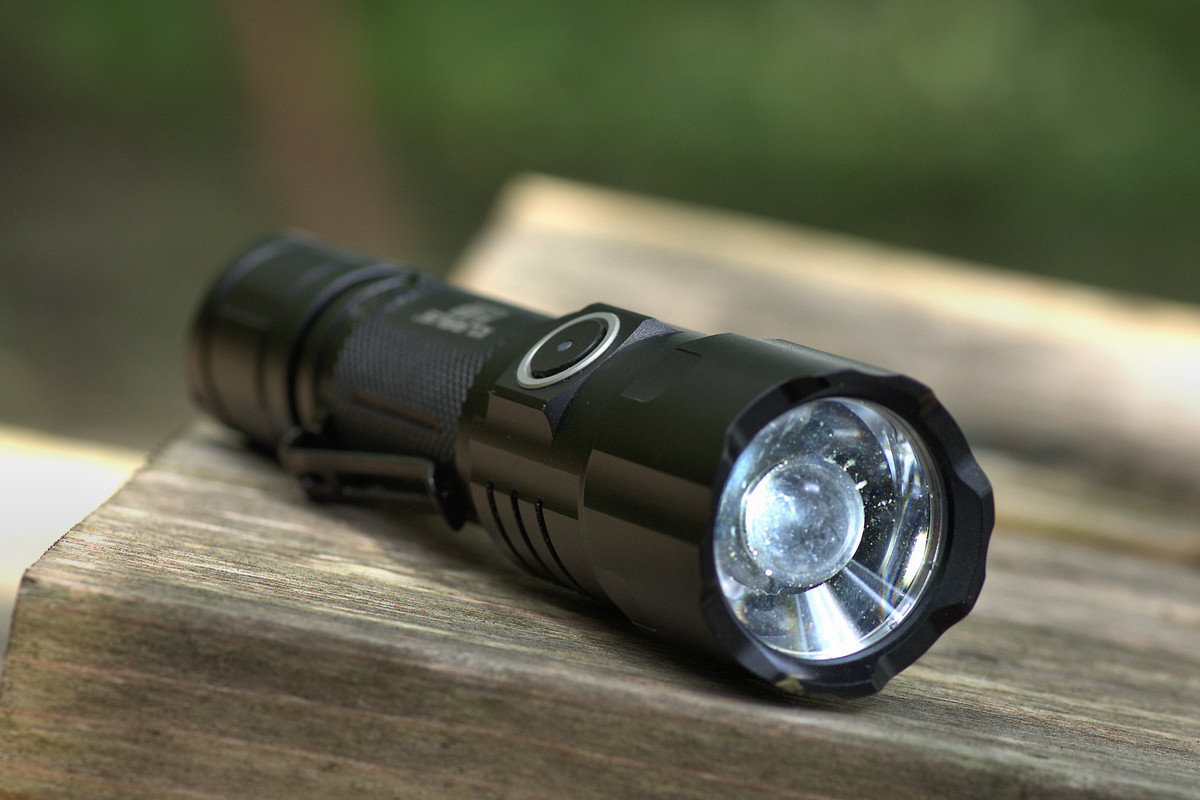
Image result for klarus flashlight

Do you plan on wandering off the beaten path this summer? Always remember that any basic survival kit should ALWAYS include an LED flashlight, preferably a tactical flashlight with a range of settings and a high lumen output – Visit Klarus and order your tactical torch today!

Thursday, 25 June 2015

How to signal for help with a flashlight

No matter how experienced you are, the unpredictability of the wilderness can turn a simple pleasure outing into a fight for survival. An injury, sudden changes in the weather, an encounter with an aggressive animal or a simple navigational miscalculation can drop you squarely into an emergency situation.

More than one lost or stranded hiker has been saved because of a simple piece of technology: a flashlight. By knowing how to use your flashlight to signal for help, you can increase your chances of being found before the situation becomes dire.

STEP 1: Be seen.
When attempting to signal for a rescue, it’s important that your light is powerful enough to penetrate the darkness and be seen from the air as well as from afar. For this reason, it’s better to bring an LED flashlight than a traditional incandescent one. LED flashlights provide a high-powered beam that can be spotted from several miles away. Get yourself a grade-A LED flashlight from Klarus Light today!

If you have space in your pack, an emergency LED lantern can also help rescuers find you more easily. Today’s LED lanterns can offer up to 100 hours of battery life and provide helpful area illumination as well as an emergency strobe for getting attention. Some lanterns even offer a red emergency light.

While it’s important to stay put and not wander around while you’re waiting to be rescued, it may be worthwhile to find a high point or a clearing from which to send your signal to increase its chances of being seen. Do this only if you are uninjured and can see a better location from where you are standing.

STEP 2: Signal for help.
While it may be tempting to leave the light on at all times, especially if you are alone at night, it’s important to use your flashlight sparingly to preserve the batteries – even if you have a long-lasting LED flashlight.

Instead, send brief blasts of light by turning your flashlight on and off. Three flashes in a row will generally indicate to any onlooker that you’re in need of help. You can also use the Morse code signal for distress, which is three short blasts, three long blasts and three more short ones.
An LED flashlight can be used to signal a helicopter or a search party in the distance, so remain alert for lights, sounds or other signs that a rescue party may be in range. Preserve your batteries as much as possible so you’ll be prepared for this moment when it comes.

STEP 3: Wait for help.
Once spotted, you may be tempted to head toward your rescuers, but this can be a huge mistake. The last thing you want is to signal where you are and then not be there when help arrives. Plus, wandering around in the dark can increase your chances of becoming injured.

Instead, keep your cool and wait for them to come to you. Continue signalling with your flashlight periodically to help guide them toward you.

If you plan on hiking off the beaten path this summer, remember that your basic survival kit should include a means for signalling for help. By telling someone your plans, packing emergency LED flashlights or an LED lantern and keeping your cool in an emergency, you can vastly increase your chances of being found before the situation becomes dire.