Showing posts with label Klarus battery. Show all posts

Tuesday, 17 December 2019

How to look after your tactical flashlight properly


Nothing is more frustrating when you really, really need your tactical flashlight and you find out that it’s not working anymore. 

To avoid being in this situation you have to make a routine where you look after your tactical flashlight properly so it is always ready at a moment’s notice.
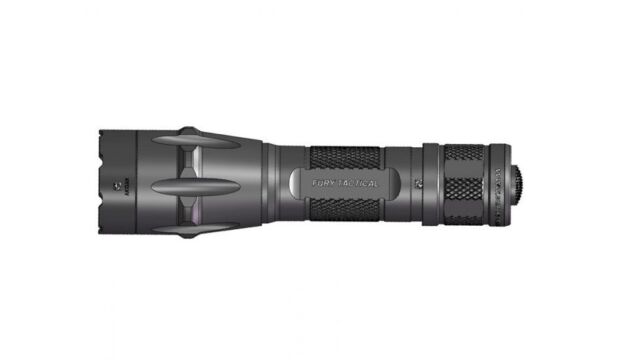
Image result for tactical flashlight

Always make sure all dirt, dust, grime and water are wiped off of the outside case of the tactical flashlight. Use a soft cloth and try not to dent or damage material. Check your tactical flashlight to ensure that all threads on the body of the light and the head are clean and dry.

Always check the battery compartment for signs of leakage or corrosion. It’s best to remove and inspect the batteries after each use. Never leave the batteries inside your tactical flashlight when you know you won’t be using it for a long. Check the overall condition of the flashlight. Are there any cracks or holes? Is the power switch damaged? For a quick fix use tape!

The condition of the glass over the bulb is also important. Make sure to clean and polish it and check for any cracks. Don’t forget to examine the bulb and LED itself. If there are any broken or discolored wires, replace immediately. Do you have a lanyard on your tactical flashlight? If so, check it for any frays and make sure I is secure. The cord is the only thing holding your flashlight from falling.

Rust and corrosion can really damage your tactical flashlight, so coat the outside of your flashlight with silicone grease when you can. If you don’t use your tactical flashlight on a regular basis, wrap it up in a soft cloth to protect it and store it somewhere safe.
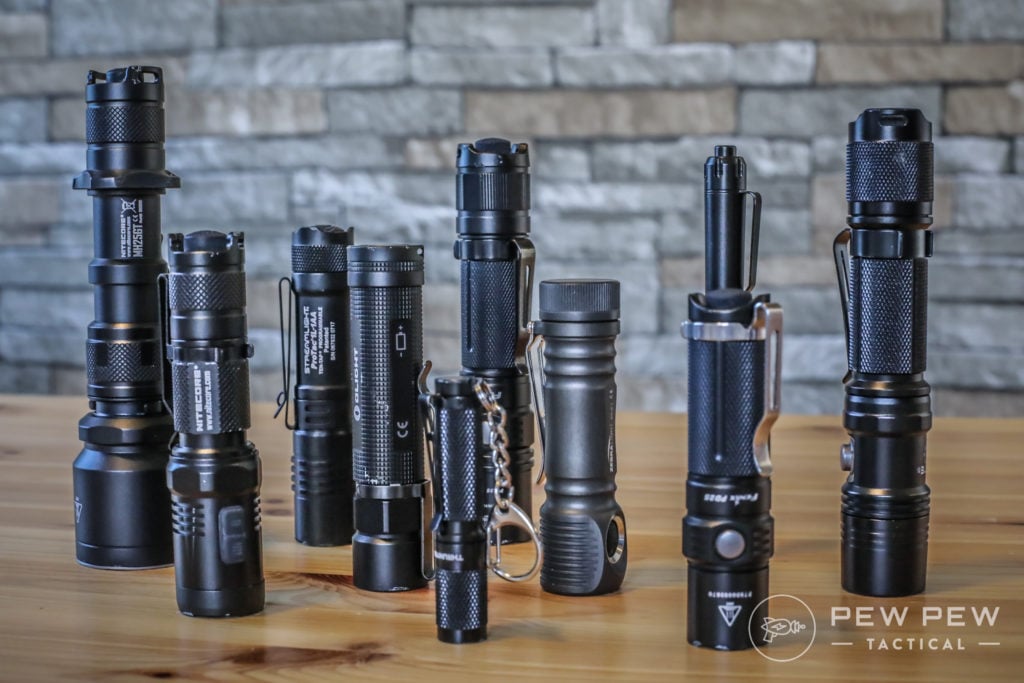
Image result for tactical flashlight

Even if you don’t often use your flashlight, make it a habit to check it and ensure that it is working properly. Maintaining your torch won’t take a lot of time and effort. You will be thankful you looked after it when you need it in an emergency and it works effectively!

Klarus creates and supplies some of the best LED torch technology on the planet. Visit the Klarus website today and order Today!

Tuesday, 6 February 2018

How to Prevent Battery Leakage in your Flashlight

You grab your trusted flashlight and turn it on, but all you see is darkness. When you open up the battery compartment, you can immediately see the problem – the batteries have leaked!

Related image

Batteries that leak in a flashlight can make a huge mess. If the leak is small and caught right away, it can probably be cleaned up and your flashlight can be saved. Larger leaks can easily ruin your flashlight. This is a problem you can avoid by using these smart tactics.
  • Remove the batteries from a flashlight that is rarely used. You can store the batteries along with the light, but don't install them until you are ready to use it.

  • Leave the batteries in a flashlight that you have placed in a glove compartment or other place to use in case of an emergency. Remove, inspect, and test the batteries at least every 6 months. If the batteries are run down, immediately replace them. Depleted batteries are more likely to leak.
  • Replace depleted batteries in a flashlight with fresh, new ones. Don't mix old and new batteries. Use batteries that are the same type, made by the same manufacturer.

QUICK TIPS
  1. Dead batteries should never be left in equipment, their process is nearly complete and the shell is close to breach.
  2. Live batteries have a date on them for a reason. Chemical reaction occurs even if the battery is live and able to run the equipment. Often with today's LED technology, for example, the batteries will corrode through and start leaking long before they become too weak to run the flashlight.
  3. If your flashlight is part of a crash kit where you need batteries with the device at all times for emergency use, store them in a separate Ziploc bag and check their dates periodically as well as for leakage.
KLARUS is represented by Klarus South Africa in Africa. The company designs and manufactures some of the most exciting, practical and innovative LED torches on the planet with ultra high lumen output. Order your Klarus flashlight today from sales@klaruslight.co.za or call 071 6136 777

Tuesday, 1 March 2016

Are you getting the best Performance from your Flashlight?

In 2009, standards were set in place to ensure that all flashlight models are tested and rated in the same way. Compliance with these standards is voluntary and the manufacturers do their own testing, but most major brands now include the following performance data on their packaging.

Although headlamps have become the main focus in the lighting community, flashlights remain a good choice whenever a handheld light is preferred. Advances in LED (light-emitting diode) technology and battery efficiency have resulted in flashlights that are smaller, lighter and brighter than they were just a few years ago.

Some key factors to compare when selecting a flashlight:
  • Light output
  • Battery type and run time
  • Size and weigh


Light Output

Light output is measured in lumens. This is a measure of the intensity of the light coming out of the flashlight, on the highest brightness setting powered by new batteries. It may also be shown for multiple light settings. Light output can range from a modest 20 lumens (great for reading a book) to a terrain-scorching 3500 lumens.


Beam Distance

Beam distance is measured in meters. This refers to how far the light will shine before the brightness diminishes to the equivalent of the light from a full moon. Full moon illumination is considered adequate for safe and careful outdoor travels. This distance will vary when the brightness setting is selected.


Run Time

Run time is measured in hours. How long does it take for the light output to. Light output may gradually decrease over time, or remain largely constant and then suddenly decrease. Run time is commonly given for each light setting. A Runtime graph provides the best illustration of the performance of a light over time.


Impact Resistance

Impact resistance is measured in meters. Lights are tested by dropping them 6 times onto concrete at the rated distance. This test is primarily to ensure the light remains functional after occasional accidental drops. It is not a test of resistance for more heavy impact like being run over, being struck with a heavy object or being used to strike other objects.


Water Resistance

Water resistance is rated using the IPX system. Water resistance is important if using your light in the rain or around bodies of water. The lights are tested for splash resistance, submersion rating, etc.


Additional Features and Functions

  • Bulb Type
    • Advancements in LED technology have rendered other bulb types almost obsolete. 
  • Beam Type
    • The lens reflector that surrounds a bulb influences how the light is dispersed.
  • Regulated Output
    • Lights with a regulated power supply maintain a steady, near-peak brightness level throughout most of the batteries' life cycle.
  • Battery Type
    • The type and availability of replacement batteries is often a factor in selecting a flashlight.
  • Modes
    • A single setting is sufficient for general-purpose use. Some models offer 2 or more modes like low, medium, high and boost).
  • Controls
    • The type of on/off and lighting mode switches is important for some users. 
  • Materials and Shape
    • Most flashlight bodies are either plastic or aluminium alloy. Some feature stainless steel in the head of the flashlight for extra impact resistance.
  • Size and Weight
    • This is mostly personal preference.
  • Accessories
    • Add-ons that may be included or sold separately include a lanyard, belt clip or holster, and lens filters and diffusers to provide lighting options.

Looking for a top of the range torch at an affordable price? Klarus Light has a wide selection, ranging from flashlights for police use to general purpose torches you can do in everyday situations.

Wednesday, 18 November 2015

How long will your tactical flashlight battery last?

If you are out in the wilderness, or stranded alongside the road in the middle of the night, the last thing you want is for your flashlight to flicker and die! Now you are stuck in the dark with no means of lighting your path or signaling for help…

This is why it is so important to take into account the run time of the tactical or emergency flashlight you are using.

LED life is how long the bulb or bulbs in your flashlight will last; it can vary from 30 minutes to many hours. Other than the quality of the batteries you are using, there are different factors that can impact the run time of your tactical flashlight.

Brightness Settings: It is possible to adjust the brightness of your tactical flashlight’s beam, but this depends on the flashlight. The highest setting will obviously drain the battery faster than the lowest, so always use the proper setting for the environment to preserve your batteries.


Batteries Used: Run time depends on what batteries you are using. Many tactical flashlights are compatible with different battery types, but some are more efficient than others. Changing the type of battery you are using will affect the run time in some way.


Temperature: This can also affect the run time of a tactical flashlight. Cold, heat and humidity can cause a battery to operate at less than its peak efficiency. This is definitely something to keep in mind if you are going to use your flashlight in extreme conditions.


When you are in doubt on the type of battery you should use for your flashlight, take a look at Klarus Light’s website. A wide range of flashlights and flashlight accessories, including batteries, are on offer! Contact Klarus Light today!